I Read The Crucible
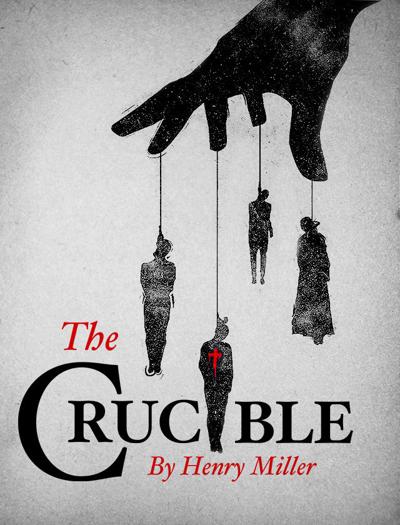
So I finished reading The Crucible by Arthur Miller, and let’s just say I have mixed opinions about it. Now, I think it was an alright play as it served its purpose of accurately portraying the Salem witch trials through the dramatic arts, by my standards. Though it succeeded in this task, that does not mean I do not have any issues with it, besides the frustrating and inevitable plotline of such a story. Throughout his play, Miller used a lot of big words that went way over my head, and I spent a lot of time defining them. Examples of such words include, corroborating, calumny, prodigious, defamation, and abrogation. After reading several definitions, I sometimes still could not understand a word’s meaning. To some degree, I do not mind the use of these difficult terms, as many scholars were likely more versed in English vocabulary than the average English speaker now. Even so, I still found it bothersome to spend so much time on online dictionaries instead of reading and understanding the text.
Another problem I had with the play was the presence of the random chunks of solid block multi-paragraphed descriptions Arthur Miller scattered throughout The Crucible. Their sole point seems to be to provide further background to the characters, but they are not necessary for the reader to understand the play. I have browsed the various free productions of The Crucible online, and none of them included the narration of this information. I understand that some people find these details interesting, so I do not mind that they exist, rather, I dislike their placement. In my opinion, Miller’s long descriptions would be better suited to the appendix of published editions of his script, instead of smack dab in the middle of it. These text blocks were also the source of most of the confusing and outdated words, and I do not think Miller had to use such language here. It was not essential to imitate the language of the seventeenth century, outside of the actual script.
While I certainly disliked some aspects of Arthur Miller’s play, I did enjoy others. One of these things is his strong characters. Each person in The Crucible is different, and as a reader, I could understand many of the motives for their various actions and decisions. For example, though I hated her for it, I recognize how Abigail meant to spite Elizabeth Proctor for throwing her out of the house and keeping her from John Proctor. I sympathized with Reverend Hale as he regretted his decision to intervene with Salem’s prosecutions. I felt the tensions in the room when John Proctor resolved to follow Rebecca Nurse to the gallows. Though most of these characters’ natures were established through mere lines of dialogue—I do not count the text chunks—they did feel quite real. I also appreciated that, unlike William Shakespeare, Miller employed italicized descriptions of facial expressions, movements, and emotions, which further enhanced his scenes and characters. Overall, The Crucible was at least a half decent play, and I am glad I have educated myself in its content. I might be interested to watch a professional production of the play; however, I will likely never read the original script again.
The image is from https://www.tucsonlocalmedia.com/livenup/article_88ef1544-c3ab-11e5-933e-53d1e4328a5d.html


Comments
Post a Comment